



On August 9, 1965, the world witnessed an event almost unheard of in modern geopolitical history. A country did not gain independence through struggle, negotiation, or referendum, but through outright rejection.
It became a nation not by aspiration, but by force.
After months of ethnic tensions, violent riots, political rifts, and deep economic disagreements, the Malaysian Parliament voted unanimously 126 to 0, with no abstentions, to remove Singapore from the federation.
The decision stunned the region. Even Singapore’s own leaders were unprepared for the sudden break.
Lee Kuan Yew, Singapore’s founding Prime Minister, broke down in tears as he addressed the nation on live television:
“For me, it is a moment of anguish… My whole life, my whole adult life, I have believed in the unity of the two territories.”

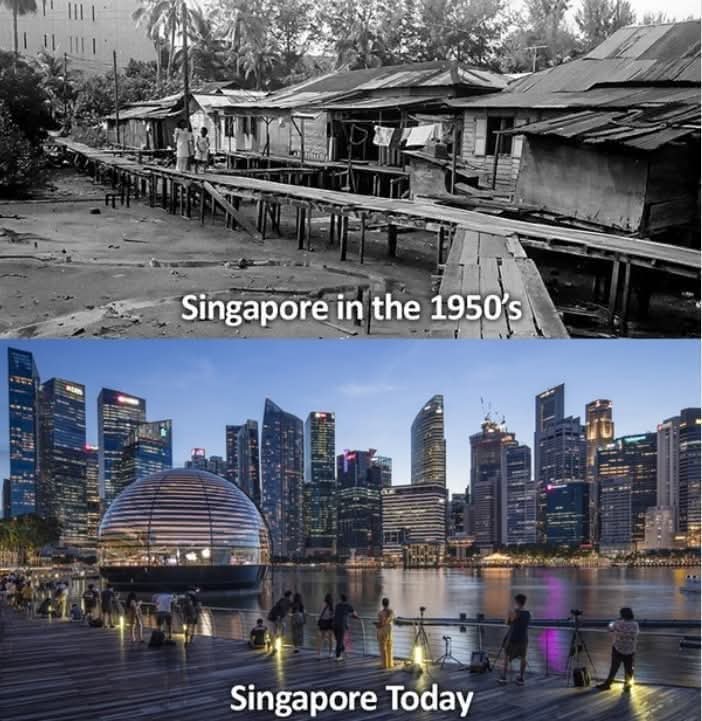
What Singapore inherited that day was not a land of promise, but a landscape of hardship