

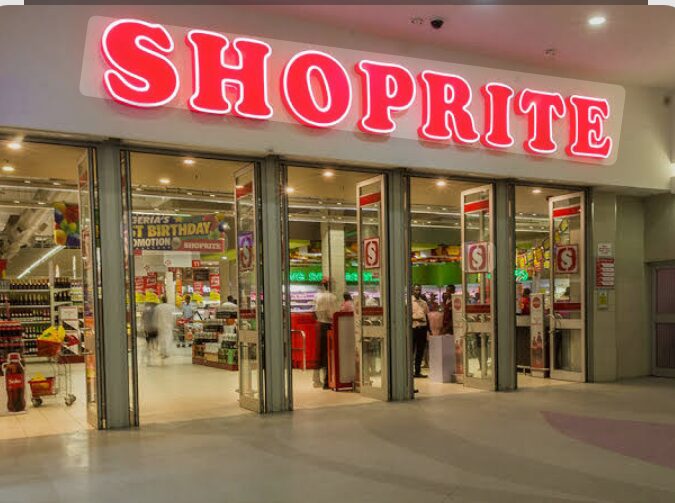

Nigeria’s mall economy, estimated at ₦2.5 trillion, has suffered a major setback following the final shutdown of leading retail brand Shoprite across the country after 20 years of operations.
Going by analysts’ projections, about N1.4 trillion may have gone down with the epic collapse of the retail giant, as hundreds of other ancillary businesses that depended on its operations have now become collateral damage.
ShopRite had previously served as a reliable bulk purchaser for food items, beverages, household goods and locally manufactured products.
The closure has also impacted other businesses operating within the same complexes. ShopRite served as an anchor tenant, drawing significant customer traffic that benefited smaller outlets such as boutiques, eateries, pharmacies and cinemas.
Inside sources attributed the collapse to a prolonged financial strain and persistent inventory shortages affecting its Nigerian franchise, Retail Supermarkets Nigeria Limited (RSNL).
The shopping mall entered Nigeria in 2005 to transform Nigerians’ experience of grocery and general household shopping.
The continental retail giant quickly expanded to about 25 outlets across 13 states in Nigeria, possibly due to rapid adoption by Nigerians.
However, in the aftermath of the COVID-19 pandemic, border closures, foreign exchange shortages, rising import tariffs, and logistics costs combined to pressure the business.
In 2021, Shoprite Holdings Limited of South Africa exited direct ownership, selling Shoprite Nigeria to Ketron Investment Limited, a consortium led by Persianas Investment Limited, owners of The Palms Mall and other retail properties.
The continental retail giant quickly expanded to about 25 outlets across 13 states in Nigeria, possibly due to rapid adoption by Nigerians.
However, in the aftermath of the COVID-19 pandemic, border closures, foreign exchange shortages, rising import tariffs, and logistics costs combined to pressure the business.
In 2021, Shoprite Holdings Limited of South Africa exited direct ownership, selling Shoprite Nigeria to Ketron Investment Limited, a consortium led by Persianas Investment Limited, owners of The Palms Mall and other retail properties.
Shoprite Nigeria was to operate as a private entity under a franchise arrangement, with administrative and technical support from the South African parent. At the time, assurances of continuity helped calm public anxiety, and under Nigerian ownership led by entrepreneur Toby Amusan, confidence briefly returned.
That optimism suddenly faded sometime in 2024 at a few locations as shoppers began noticing persistently empty shelves across multiple outlets. Items as basic as tissue papers and food staples became scarce, with some stores stocking little beyond wine, detergents, or toys.

By fourth quarter of 2025, several outlets in Lagos and other cities shut their doors entirely. Multiple visits to Shoprite locations in Lagos show deserted premises where bustling supermarkets once anchored mall activity.