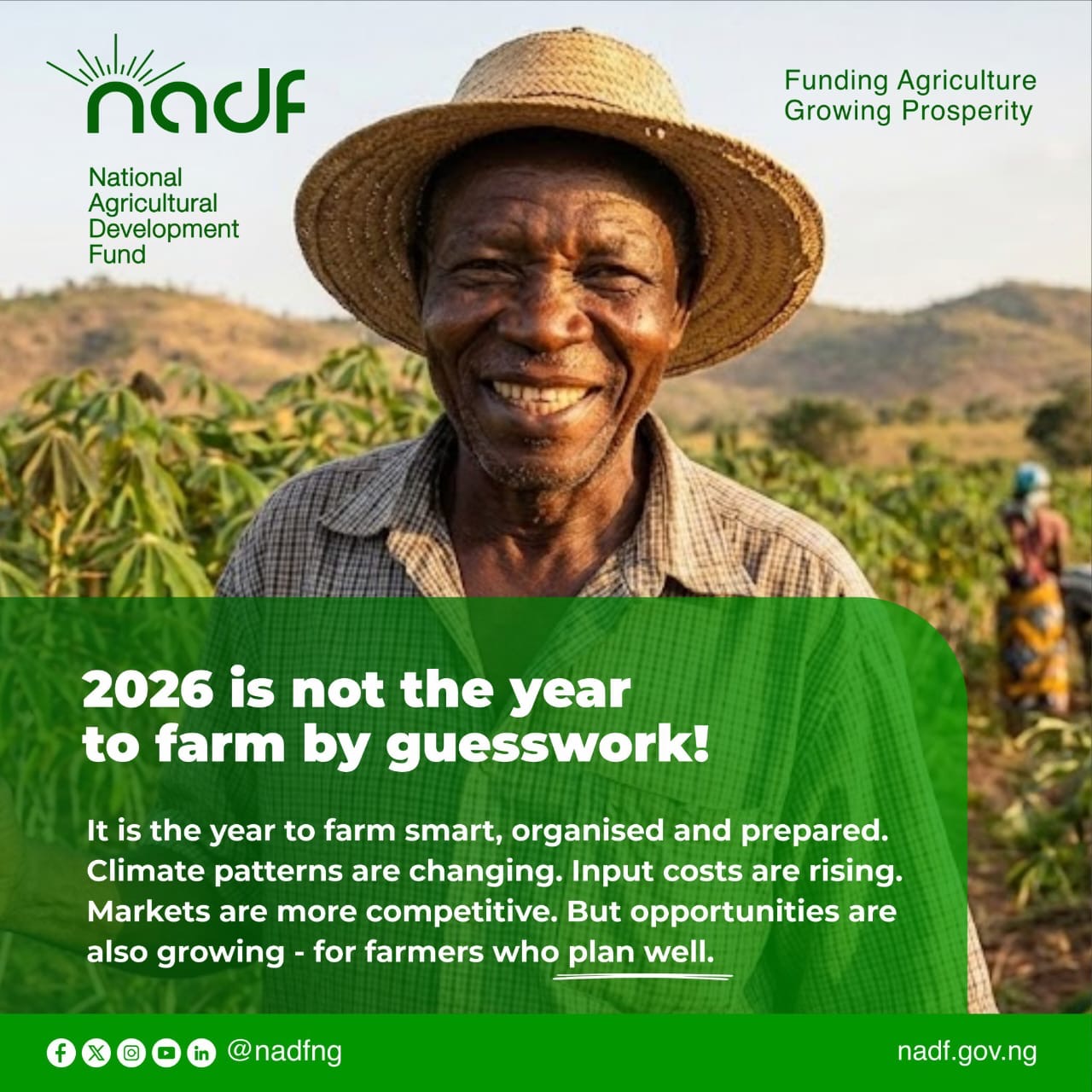




The National Agricultural Development Fund (NADF) on Tuesday convened a one-day National Stakeholders Validation Workshop on the Harmonised Input Fertiliser Application Manual in Abuja, marking a major step towards standardising fertiliser use across Nigeria.
The workshop, organised in collaboration with the Farm Inputs Support Services (FISS) Department of the Federal Ministry of Agriculture, drew participants from Ministries, Departments and Agencies, research and academic institutions, soil scientists, development partners, private sector players and farmer organisations.
Opening the session, the Executive Secretary of NADF, Mr Mohammed A. Ibrahim, said the validation followed months of technical work aimed at producing a practical national guide for farmers and extension workers.
“The purpose of today’s workshop is clear: to validate the manual, agree on the final technical positions, and ensure it is practical for farmers, extension workers, and other end users across our different agro-ecological zones,” he said.
Mr Ibrahim noted that fertiliser remains a key driver of productivity but warned that poor or inconsistent guidance undermines its impact. “Fertiliser is a major driver of productivity, but it only delivers value when it is applied correctly and responsibly,” he said, adding that fragmented recommendations risk long-term damage to soil health.
He said the harmonised manual aligns with NADF’s mandate to promote evidence-based interventions that improve productivity, safeguard soils and strengthen food security.
In his remarks, the Director of Farm Inputs Support Services, Mr Abana Waziri Abba, described low soil fertility as one of the main causes of weak agricultural productivity in Nigeria. He said long-standing reliance on blanket fertiliser recommendations has failed to reflect the country’s diverse soils and farming conditions.
“Blanket fertiliser application recommendations may lead farmers to over-fertilise in some areas and under-fertilise in others,” he said.
According to him, the harmonised manual represents a shift towards precision agriculture. “By validating this manual, we are ensuring that farmers apply the right nutrients at the right rate, at the right time, and in the right place,” Mr Abba said, noting that the effort also supports nutrition security.
Technical sessions featured contributions from soil scientists, agronomists and academics, who stressed the importance of site-specific recommendations and effective extension delivery.
The President of the All Farmers Association of Nigeria (AFAN), Mr Muhammad Magaji, welcomed the initiative, saying it would bring clarity to fertiliser use at farm level. “For too long, farmers have received different fertiliser advice from different sources,” he said. “A harmonised manual like this will reduce confusion and help farmers make better decisions.”

The workshop concluded with a call for final technical inputs and a clear pathway for national adoption, as NADF signalled its readiness to support the transition of the manual from policy document to everyday farm practice.