




Uncertainty is growing within the All Progressives Congress (APC) over its preferred consensus strategy for the 2027 elections, as internal divisions threaten agreements across several states.
Party insiders say the APC may adopt direct primaries in states where consensus talks fail, as rivalries among aspirants and stalled negotiations continue to deepen. The move is seen as a way to avoid internal crises and maintain unity ahead of the polls.
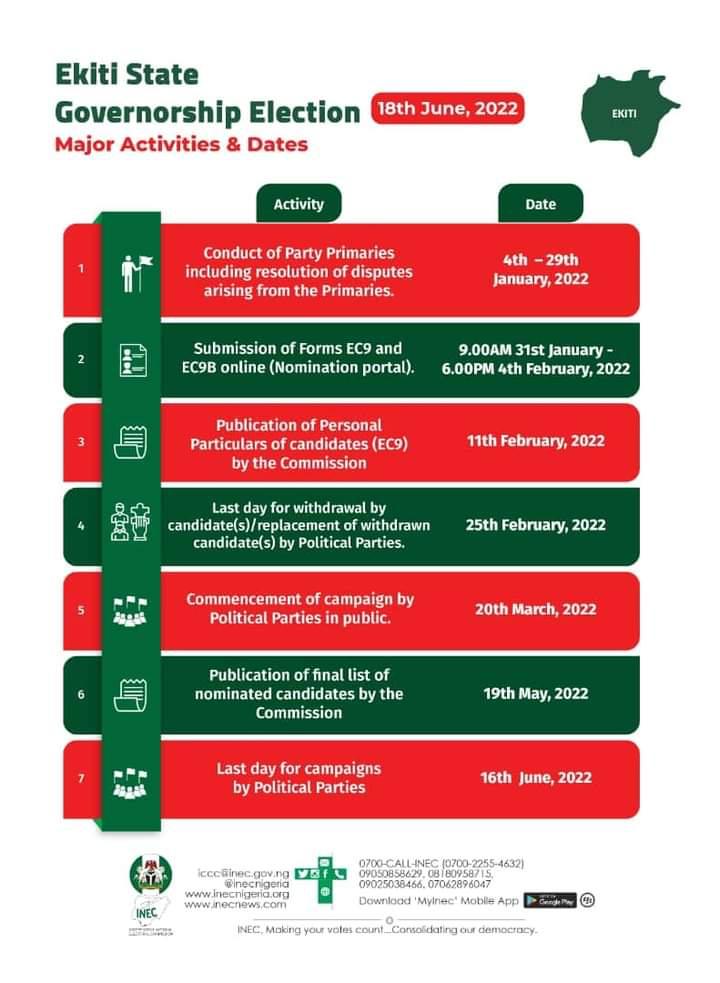
This development comes as the Independent National Electoral Commission (INEC) deadline for submission of candidates approaches, prompting urgency within the party to finalise its nomination process.
Sources confirmed that APC National Chairman Nentawe Yilwatda recently presented the proposed primary election timetable to President Bola Tinubu, with an official announcement expected imminently.
While consensus candidates have reportedly been agreed upon in Lagos State, Oyo State, and Ogun State, negotiations remain unresolved in several others, including Nasarawa State, Kwara State, Adamawa State, Yobe State, and Bauchi State.
Party leaders say incumbent governors are being given priority in selecting successors, but disagreements over preferred candidates could force a shift to direct primaries. “Consensus cannot be forced,” a senior party source noted, warning that imposition could trigger defections or anti-party activities.
In Bauchi, uncertainty is heightened by speculation over Governor Bala Mohammed’s political future, despite his public denial of defection rumours. Meanwhile, internal competition among key figures continues to complicate consensus-building.
In Gombe State, however, progress is being made toward a consensus candidate, with Governor Muhammadu Yahaya said to be guiding the process.
Elsewhere, tensions persist. In Yobe, stakeholders remain divided over consensus, while in Nasarawa, consultations are ongoing as Governor Abdullahi Sule engages party leaders to find common ground. Former Inspector-General of Police Mohammed Adamu has backed direct primaries, arguing they ensure transparency.
In Adamawa, alleged attempts to impose a candidate have sparked resistance, with concerns that such moves could destabilise the party. Similarly, in Kwara, multiple power blocs and competing ambitions have made consensus difficult to achieve.

Overall, while consensus remains the APC’s preferred approach, party leaders appear increasingly prepared to rely on direct primaries in states where agreements break down, as they race to meet INEC’s deadline and avoid internal fractures ahead of the 2027 elections.