



You can’t understand how Governor Biodun Abayomi Oyebanji governs Ekiti today without going back to 1996. That was the year Ekiti became a state, and BAO was in the room when it happened.
He wasn’t a spectator, he was an actor. As one of the mobilizers in the Ekiti State Creation Movement, he helped make the case that Ekiti could stand on its own. The argument then wasn’t emotion. It was viability: population spread, agricultural base, education culture, and the simple fact that running Ekiti from Akure was slowing everything down. When General Abacha announced Ekiti State on October 1, 1996, it was the payoff for years of meetings, petitions, and lobbying.
That experience shaped how Oyebanji sees governance now. If you fought to create a state, you don’t treat its basics as optional 30 years later.
He saw that a state needs arteries before aesthetics
In 1996, the promise was access. In 2022, access was still the problem in many wards.
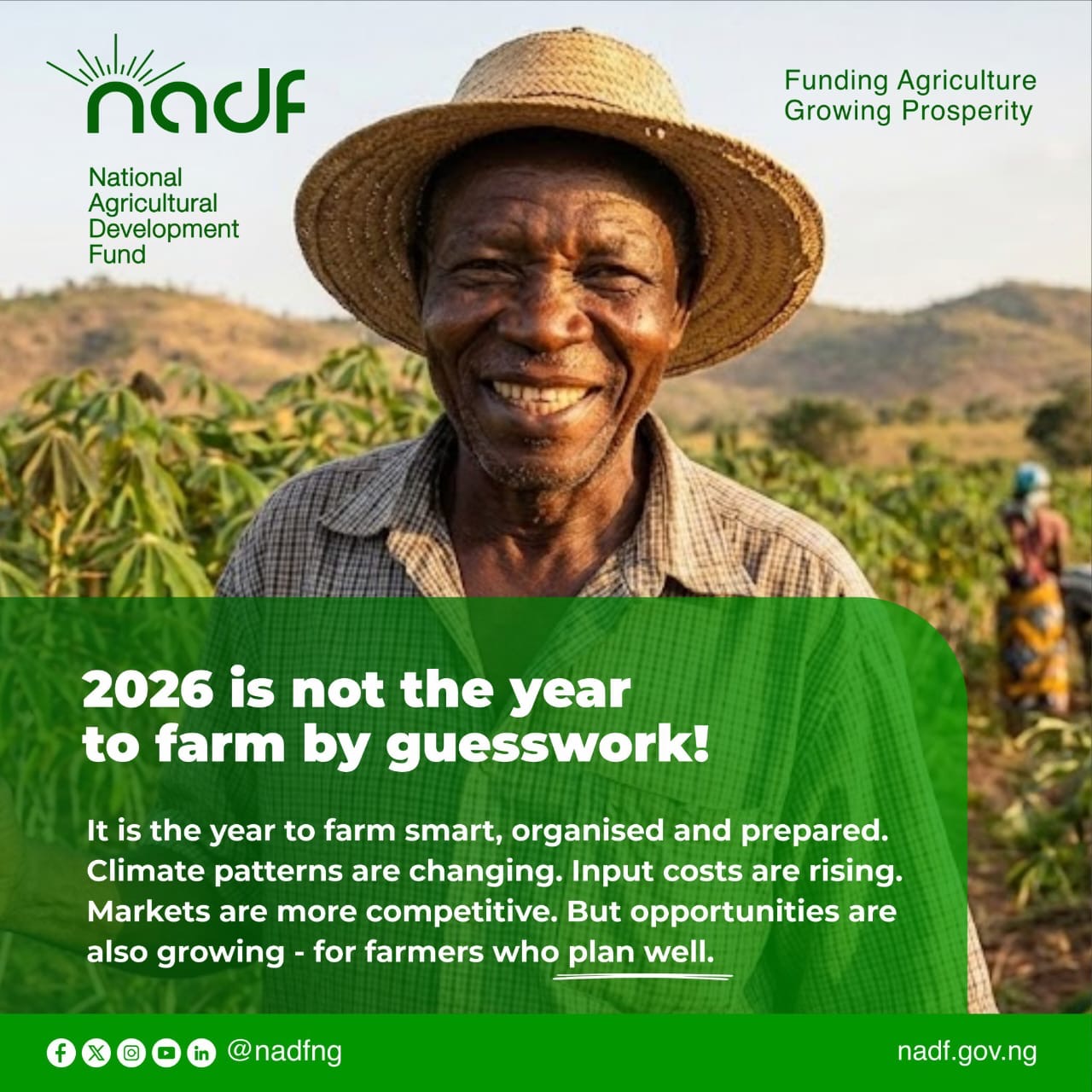
As governor, BAO prioritized farm roads first. Not because theyq photograph well, but because they move garri, yam, and pepper from village to market without trucks getting stuck. Connect the farm to the market, and you cut waste, cut prices, and create cash flow. That’s the same logic he used in the creation struggle: make Ekiti work economically, not just administratively.
He saw that health the education can’t wait for perfect budgets
During the creation agitation, one of the complaints was that Ekiti people had to go to Akure for everything. Today, the fix is the same: bring services closer.
Under BAO, PHCs in wards got upgrades in equipment and staffing. EKSUTH got new diagnostics and a CATHLAB for cardiac cases. Hostels went up in EKSU and FUOYE, and public school pupils got books, bags, and learning kits. He staged it, ward by ward, instead of waiting for a single federal intervention.
He saw that youth need structure, not speeches
The creation movement was youth-driven. BAO kept that energy by giving young people a platform. The BAO Continuity Cup gave thousands a stage and cash prizes. Irepodun/Ifelodun making the final wasn’t luck. It was what happens when you replace idleness with organization.
Alongside sports, he pushed targeted empowerment: tricycles, motorcycles, sewing machines, freezers, tractors. Tools tied to livelihood, not handouts for headlines.
He saw that peace is infrastructure
Ekiti politics has always been sharp. What changed under BAO is the temperature. He made ward tours, meetings with traditional rulers, and direct feedback loops part of the routine. A calm party moves faster, and a calm state attracts investment.
That’s why the APC went into June 20 with a 500,000-vote target that looked serious, not aspirational. It came from unit-level work, not slogans.
He saw that continuity beats restart
The creation of Ekiti was a relay. People held the baton at different points until it crossed the line. BAO governs the same way. He doesn’t tear down to rebuild. He finishes, scales, and hands over a stronger base.
Roads, health, education, youth, agriculture, party unity. Pick one, and you’ll see the pattern: identify what unlocks the rest, fix it, then move.
Here us the through-line: In 1996, BAO helped argue that Ekiti could govern itself. In 2022 and beyond, he’s arguing that Ekiti can govern itself well. The through-line is sequencing: fix the things that make everything else possible, then ask for the mandate to scale.
That’s how Oyebanji saw tomorrow. Not by predicting it, but by building the conditions for it, one ward, one road, one clinic, one student at a time.
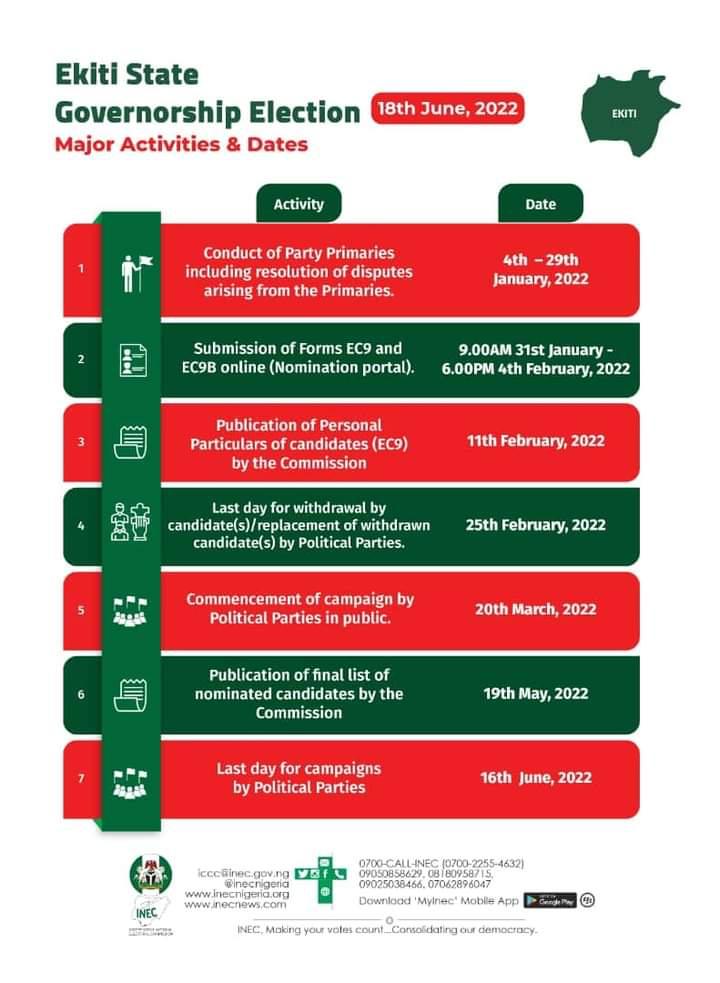
And on June 20, Ekiti people got to decide whether they wanted to keep building on that tomorrow, or start over. The former makes more sense than the latter.

Segun Dipe is the Publicity Secretary of the All Progressives Congress, APC in Ekiti State.