



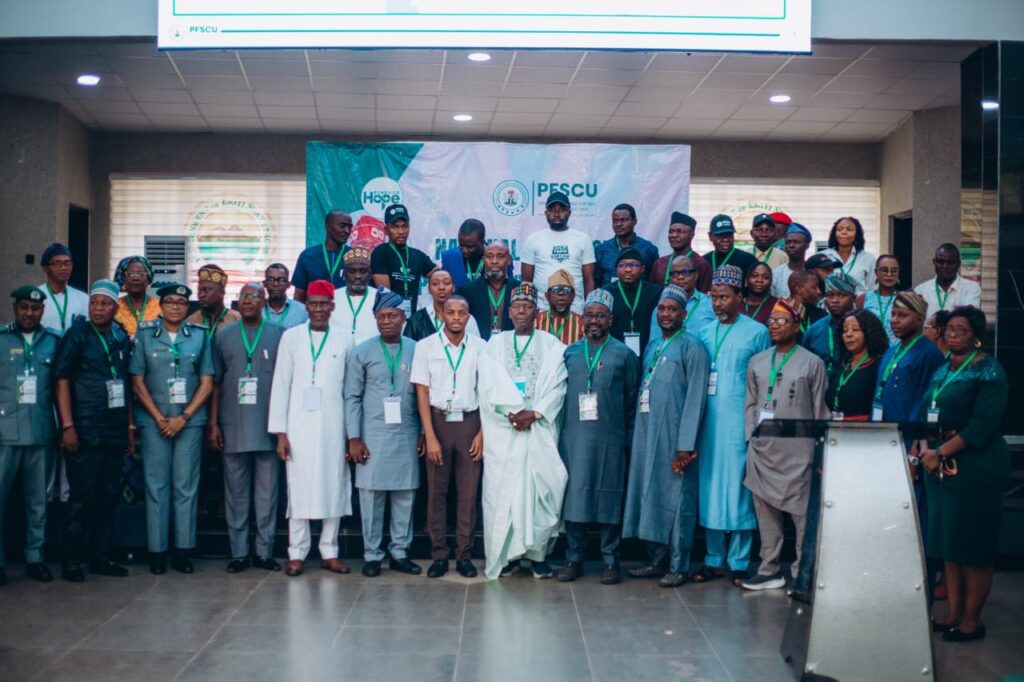
In Ado-Ekiti, the conversation shifted from weather talk to strategic agricultural planning as the National Agribusiness Policy Mechanism (NAPM) convened for a critical stakeholders’ workshop. Convened by the Presidential Food Systems Coordinating Unit, the event brought farmers, technicians and officials together to weigh the 2025/2026 cycle and set a course for the coming wet season.
The discussion centred on
delayed inputs, weak data and stubborn logistics alongside modest gains. The mood was corrective, not ceremonial, with a push to link agencies, information and finance before the rains arrive.
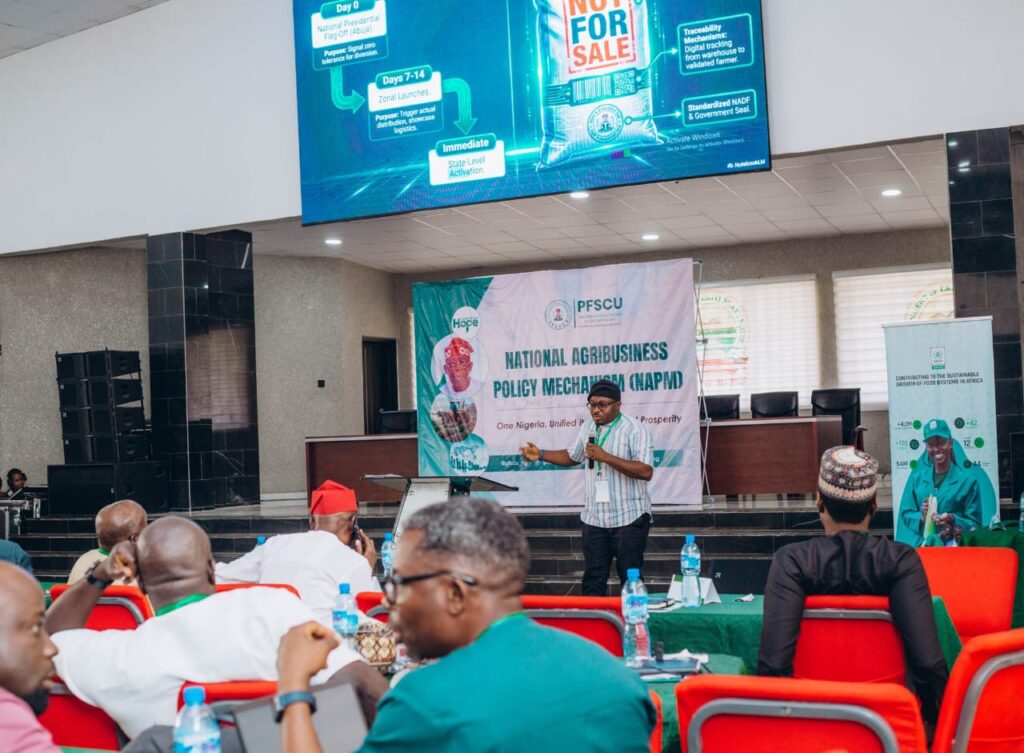
The Executive Secretary of the National Agricultural Development Fund, who was represented by Emmanuel Saseun from Technical Department, said, “We have concluded the 2025/2026 agricultural cycles. As we review outcomes, let us be honest: we saw successes, but we also saw gaps, logistics delays, input access bottlenecks, data inconsistencies, and climate shocks that tested our resilience. These are not failures, they are instruction manuals for the future.” He added, “This workshop is not a ritual. It is where we move from lesson learning to season-shaping,” calling for coordination, early planning and finance-ready pipelines.

By close, attention had shifted to aligning funding with field realities and drawing private capital in early. The farmer, he noted, “does not care which agency delivers, they care that food is available, affordable, and produced sustainably.”